Cold water therapy, also known as cold exposure or cold immersion, is the practice of exposing the body to cold temperatures through ice baths, cold showers, or natural cold water. In recent years, it has gained popularity among athletes, wellness enthusiasts, and biohackers for its potential physical and mental benefits.
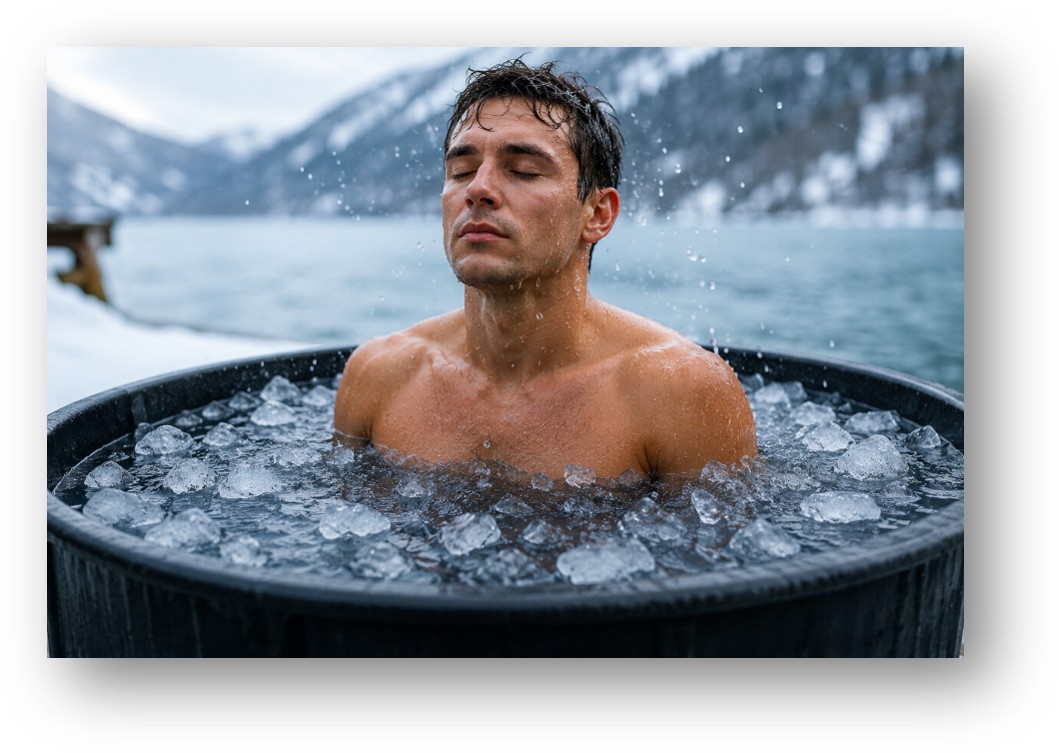
Immersing yourself in cold water has some distinct health benefits, as many health influencers, celebrities, athletes, and trainers will happily confirm.
But what’s the science behind cold water therapy? What exactly are the benefits? And what’s the best and safest way to immerse yourself in cold water?
In this article, we’ll help answer these questions and dig into the research that’s been done on cold water immersion.
Table of Contents
What is Cold Water Therapy?
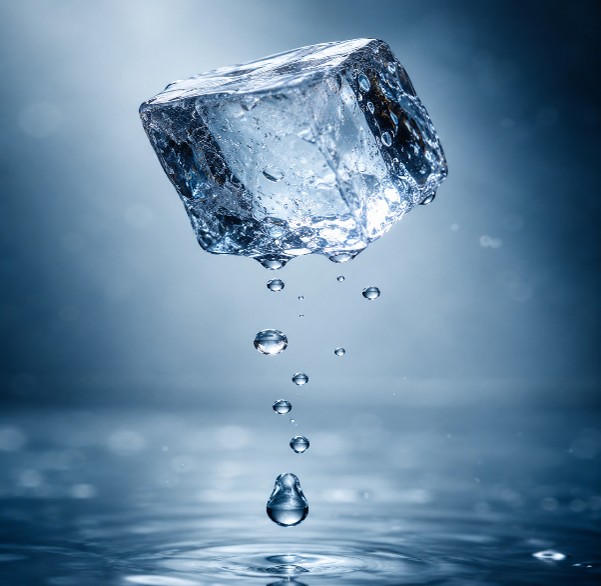
Cold water therapy involves brief exposure to cold water (typically 10–15°C / 59°F or lower) to treat health conditions or stimulate health benefits. It’s also known as cold hydrotherapy. Common methods include:
- Ice baths
- Open-water swimming in cold environments
The idea is simple: controlled stress from cold exposure may trigger adaptive responses in the body.
Potential Benefits
1. Muscle Recovery
Athletes often use cold immersion after intense workouts to reduce muscle soreness and inflammation. It may help the body recover faster after high physical strain.
2. Improved Mental Resilience
Cold exposure activates the body’s stress response. Over time, repeated exposure may help improve tolerance to stress and build mental discipline.
3. Enhanced Circulation
When exposed to cold, blood vessels constrict and then dilate afterward, which may support better blood flow and circulation.
4. Mood Boost
Cold exposure may stimulate the release of endorphins and norepinephrine, which can improve alertness and mood.
The Wim Hof Method
One of the most well-known approaches to cold exposure is the method popularized by Wim Hof, often called “The Iceman.” His technique combines cold exposure, breathing exercises, and mind-set training to improve physical and mental performance.
What Does Science Say?
Cold water therapy is still being studied. Some research supports benefits for recovery and mood, but results vary depending on duration, temperature, and individual health. It is not a cure-all and should be used as a supportive wellness practice rather than a medical treatment.
How to Start Safely
If you’re new to cold exposure, follow these guidelines:
- Start with 15–30 seconds of cold showers
- Gradually increase duration over time
- Avoid extreme cold exposure initially
- Never force your body beyond comfort limits
- Consult a doctor if you have heart conditions or medical concerns
What Ayurveda says about cold water therapy :-
According to Ayurveda, the effect of cold showers is not the same for everyone.
Ayurveda always asks an important question:
“What is your body constitution, and will this practice create balance or imbalance?”
A cold shower that energizes one person may aggravate another person’s dosha and create health issues over time. Ayurveda views health as a balance between the three doshas — Vata, Pitta, and Kapha — and every therapy or daily habit influences these energies differently.
This article explores how cold showers affect each dosha, their benefits and risks, seasonal considerations, and the Ayurvedic way to use cold water safely.
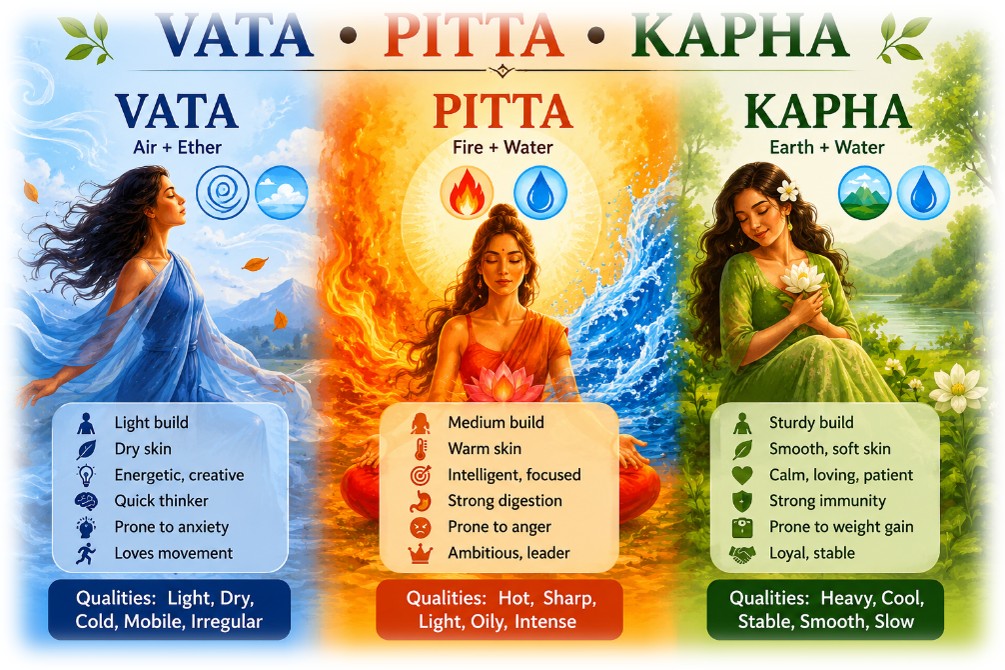
Dosha & their Main Qualities
Vata = Cold, dry, light, mobile
Pitta = Hot, sharp, intense
Kapha = Cold, heavy, slow, moist
Cold water itself carries qualities such as:
- Cooling
- Constricting
- Drying
- Slowing
- Lightening
Because “like increases like” in Ayurveda, cold exposure can either balance or aggravate a dosha depending on the individual.
Effect of Cold Showers on Vata Dosha
Vata with excessive cold exposure always increases
Why Cold Showers Disturbs Vata
Vata dosha is naturally cold and dry. When a Vata-dominant person takes frequent cold showers, these same qualities increase further in the body.
This can overstimulate the nervous system and weaken stability.
Common Effects on Vata
People with aggravated Vata may experience:
- Anxiety and restlessness
- Dry skin and hair
- Poor sleep
- Joint stiffness
- Muscle tightness
- Increased sensitivity to cold
- Low stamina and fatigue
- Irregular digestion
Cold showers may initially create a temporary “rush” of energy, but over time they can deplete nervous system resilience in sensitive Vata individuals.
Who Should Be Careful?
Cold showers are usually not ideal for:
- Thin or underweight people
- Elderly individuals
- People with insomnia
- Those with anxiety or chronic stress
- Individuals with arthritis or joint pain
- People with weak digestion
Best Ayurvedic Alternative for Vata
Ayurveda generally recommends:
- Warm or lukewarm showers
- Oil massage (abhyanga) before bathing
- Keeping the body warm after bathing
- Avoiding sudden temperature shocks
For Vata individuals, warmth creates grounding, calmness, and nourishment.
Effect of Cold Showers on Pitta Dosha:-
Pitta with moderate cooling therapies
Why Cold Water Benefits Pitta
Pitta dosha carries heat and intensity. People with dominant Pitta often feel excessive body heat, irritability, inflammation, or overheating in hot weather.
Cold or cool showers can help balance this excess heat.
Benefits for Pitta Types
Moderate cooling may help:
- Calm anger and irritability
- Reduce body heat
- Soothe inflammatory skin conditions
- Refresh the mind
- Reduce excessive sweating
- Improve comfort during summer
Pitta individuals often tolerate cool water better than Vata or Kapha types.
Important Ayurvedic Warning
Ayurveda still discourages extremely icy water, even for Pitta people.
Very cold exposure may:
- Shock the nervous system
- Constrict circulation
- Weaken digestive fire (agni)
The goal is cooling without harming vitality.
Best Practice for Pitta
- Cool or room-temperature showers
- Avoid ice baths regularly
- Best practiced in hot weather
- Ideal after exercise or heat exposure
Effect of Cold Showers on Kapha Dosha
Kapha with excessive cold and dampness increases
Why Kapha Reacts Differently
Kapha already possesses cold and heavy qualities. Too much cold exposure can increase sluggishness and stagnation.
Possible Negative Effects
Excess cold may cause:
- Congestion
- Laziness
- Slow circulation
- Water retention
- Reduced motivation
- Increased mucus formation
However, Kapha people are often physically stronger and may tolerate cold better than Vata individuals.
Why Some Kapha Individuals Enjoy Cold Showers
Brief cold exposure can stimulate:
- Blood circulation
- Alertness
- Mental activation
This temporary stimulation may feel energizing for Kapha-dominant individuals.
Best Ayurvedic Recommendation for Kapha
Ayurveda usually recommends:
- Warm to hot showers
- Steam therapy
- Dry brushing
- Exercise before bathing
Heat helps counter Kapha’s heaviness and sluggishness.
Seasonal View of Cold Showers in Ayurveda :
Ayurveda places great importance on seasonal living.
Winter Season
Cold showers are generally discouraged because winter naturally increases:
-
- Vata
- Coldness
- Dryness
Especially avoid cold water if you:
-
- Feel weak
- Have joint pain
- Suffer from low immunity
- Experience stiffness or fatigue
Summer Season
Summer increases Pitta dosha, making cool showers more acceptable and beneficial.
Cool water can help reduce overheating and irritability
Monsoon Season
During rainy season, digestion becomes weaker according to Ayurveda. Excess cold exposure may:
-
- Weaken digestive fire
- Increase bloating
- Worsen Vata and Kapha imbalance
Warm bathing is usually preferred.
Ayurvedic Concern About Ice Baths and Extreme Cold Exposure:-
Modern wellness culture promotes:
- Ice baths
- Cold plunges
- Wim Hof-style breathing practices
These methods often focus on:
- Adrenaline response
- Dopamine release
- Mental resilience
- Athletic recovery
Ayurveda takes a more individualized approach. Instead of asking:
“Is cold exposure healthy?”
Ayurveda asks:
“Is cold exposure healthy for YOUR constitution and current imbalance?”
Possible Ayurvedic Concerns:
Excessive cold exposure may:
- Weaken digestion (agni)
- Constrict body channels (srotas)
- Aggravate Vata
- Reduce circulation
- Create stiffness and dryness
This is why classical Ayurvedic routines generally favor warmth and stability over extreme temperature stress.
Classical Ayurvedic Bathing Wisdom
Traditional Ayurvedic teachings often recommend
“Warm water below the neck, cool water for the head.”
This approach is believed to:
- Support circulation
- Protects the nervous system
- Preserves eye health
- Supports hair and scalp health
Very hot water on the head is traditionally discouraged
Signs That Cold Showers May Not Suit You
Your body may be reacting poorly to cold showers if you notice:
- Increased anxiety
- Poor sleep
- Fatigue
- Digestive weakness
- Bloating
- Dry skin
- Muscle stiffness
- Menstrual cramps
- Low mood
- Ecessive shivering
These are often signs of aggravated Vata.
According to Ayurveda “snana” is very important in ancient wisdom :-
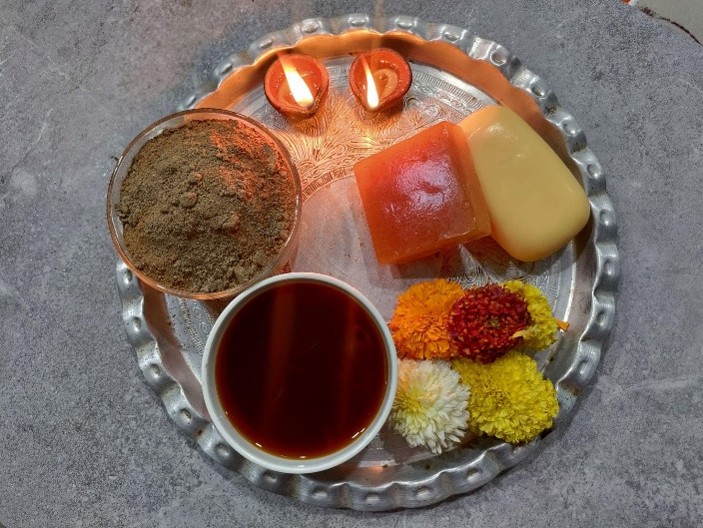
Snana or bathing involves more than just washing your body with soap and buckets of water. It has a proper method. This method is described briefly as a part of Dinacharya (दिनचर्या) in various Ayurvedic textbooks. Usually, people take a bath to maintain personal hygiene. Some take baths in holy rivers to pacify their Papa Karma (bad deeds). Some take a bath to relax. In essence, it purifies our body, mind, and soul.
Classification of Snana (स्नान ):
There are different types of Snana described in the Vedic literature and Hindu scriptures like Bramha Snana (ब्रम्ह स्नान), Muni Snana (मुनी स्नान), Deva Snana (देव स्नान), Manava Snana (मानव स्नान), Rakshasa Snana (राक्षस स्नान ), etc.
Here are 7 different kinds of Snana, according to Yagnavalkya Smirti (याज्ञवल्क्य स्मृती ).
- Mantra Snana (मंत्र स्नान ): Snana performed by chanting the mantras of Vedas and Upanishads is denoted as Mantra Snana.
- Bhouma Snana (भौम स्नान ): The method of Snana performed by applying and massaging mud all over the body is known as Bhouma Snana.
- Agneya Snana (आग्नेय स्नान ): This Snana is performed by applying Bhasma (ash from the burnt cow dung powder) is called Agneya Snana.
- Vayavya Snana (वायव्य स्नान ): Vayavya Snana is the name given to the Snana with dust that shows up when the cow walks.
- Divya Snana (दिव्य स्नान): The type of Snana performed in the sun’s rays or the sun’s glare when it’s raining is called Divya Snana.
- Varuna Snana (वरुण स्नान): Snana done in river water is termed as Varuna Snana.
- Manasa Snana (मानस स्नान) : To simply think about the divine soul is referred to as Manasa Snana.
Specific temperature of water used for Snana.
It is always advised to take a cold-water bath for the head and a hot water bath for the body part below the neck to protect and maintain the health of our sense organs. However, it differs based on the individual’s body type known as Prakriti. It can be summarized as below.
The human body is divided into three parts in Ayurveda as per the Dosha predominance; hence one should use water with different temperatures.
Bathing in Sheeta Jala (cold water) enhances vision and, when taken at the right time, stimulates Jatharagni (जठराग्नी )which promotes digestion. Raktapitta (bleeding disorders) are cured by taking a cold water bath. Taking a cold water bath, especially in winter, aggravates Vata and Kapha Doshas. Applying cold water to the head while bathing revitalizes the sight of the person.
Benefit of using hot water for Snana:
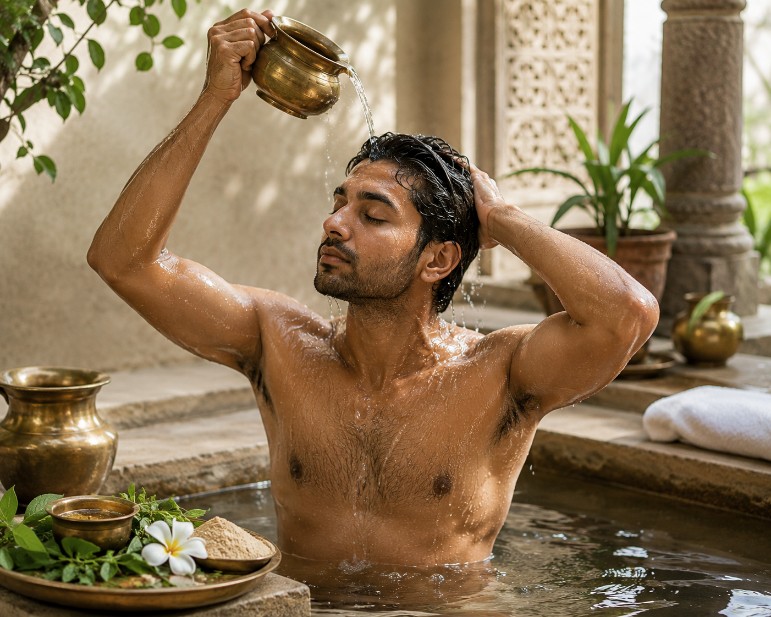
An individual’s strength increases and their increased Vata and Kapha Doshas decreases when they take a bath in Ushna Jala (warm water). The body gains strength from Ushna Jala Snana (उष्ण जल स्नान ), except for the head. It suggests that taking a head bath in hot water is not a good idea. If it is done, it weakens the body and has negative effects on the heart, eyes, and hair. The only part of the body that should be bathed in Ushna Jala is below the neck or clavicle level. Acharya Sushruta (आचार्य सुश्रुत )recommends a warm water bath for the head as a remedy for Kapha and Vata Dosha aggravation. Baths in warm water should be avoided in the summer as they aggravate Pitta Dosha.
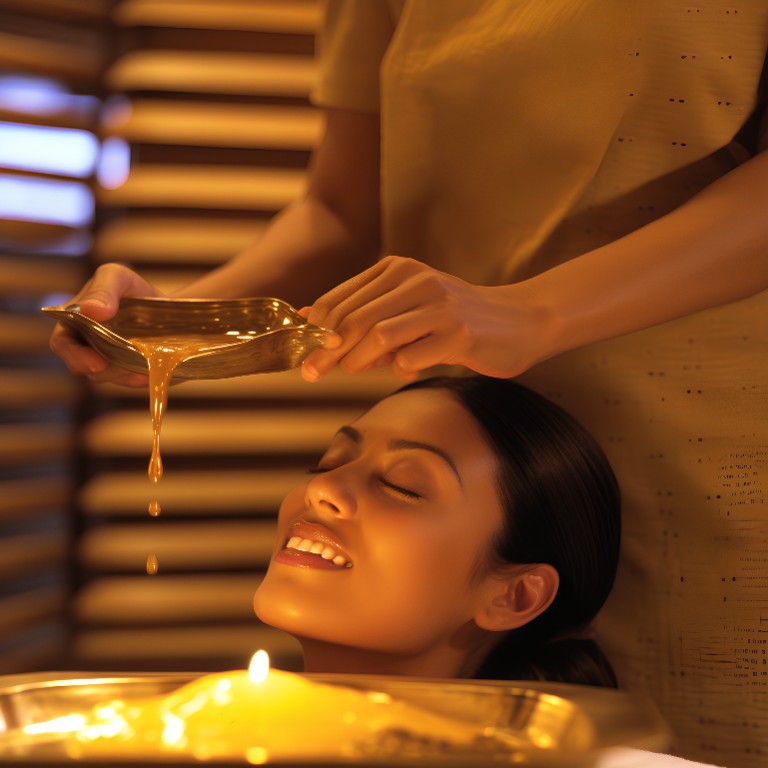
Cold showers can feel refreshing, stimulating, and mentally energizing. However, Ayurveda reminds us that wellness is never one-size-fits-all.
A practice that benefits one dosha may disturb another.
- Vata generally needs warmth and grounding.
- Pitta benefits most from cooling balance.
- Kapha needs warmth with occasional stimulation.
Instead of blindly following wellness trends, Ayurveda encourages deep self-awareness and balance according to your unique constitution.
True health is not about pushing the body to extremes — it is about living in harmony with your nature.
Conclusion:
Cold water therapy can be a powerful habit for building resilience, improving recovery, and boosting mental clarity—but it works best when done gradually and consistently. Like any wellness practice, the key is doshic balance and awareness of your body’s limits.
Written By…
|
Dr. Pallavi Shinde is the director at Shree Vishwamukta Yog, Ayurved and Panchakarma Clinic at Pune, India. She always uses ayurvedic proprietary formulations for many chronic health diseases & many products for Skin Diseases & beauty products. She is a hardcore Researcher, Practitioner, Promoter of Ayurveda. Contact today to book an appointment. |